Kitchen •February 22, 2026•5 min read
Zero-Waste Kitchen Essentials: What Actually Worked for Me (Without Going Broke)
Nelly Rockett
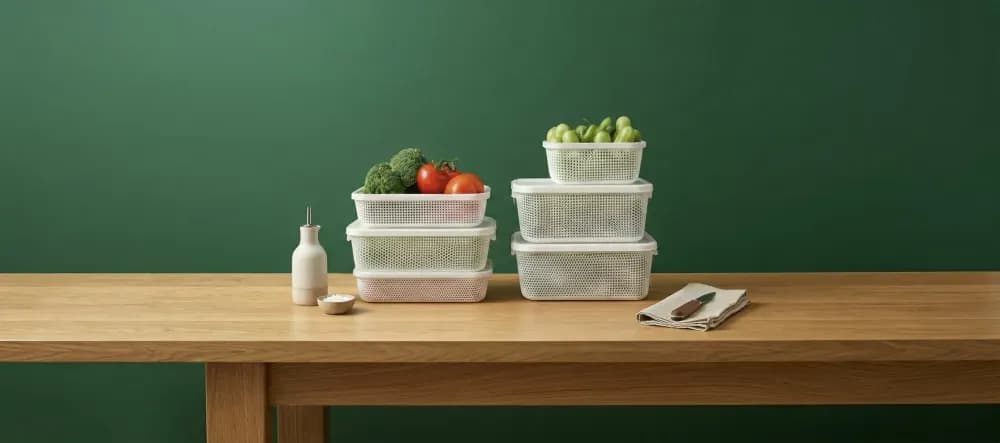
A zero-waste kitchen guide for normal people with bills, a regular job, and a real life.
Why I Bother With a “Zero”-Waste Kitchen
I’m a retired woman who has spent decades cooking for a family, packing lunches, and cleaning up too many messes to measure. I started caring about zero waste because I believe in self-sufficiency and because my grandchildren will inherit the trash I leave behind. At the same time, I’m not here to impress anyone with perfect mason-jar pantries and color coordinated bamboo everything. I like things that work and don’t cost a fortune. If a “green” idea makes my life twice as hard and saves one plastic fork a year, I usually pass. So this is not your typical zero-waste kitchen guide. It’s a guide to being less wasteful in a way that a normal person with bills, a regular job, and a real life can actually handle.
Start Where It Hurts Your Wallet: Food Waste
If you want to cut waste in the kitchen, start with the part that literally goes in the bin and takes your money with it: food. Over the years, I’ve thrown out wilted lettuce, fuzzy leftovers, and half a loaf of bread that went stale because I didn’t plan meals right. It’s not fun to admit, but it’s the truth. I’ve always prided myself on being pretty diligent about avoiding food waste, but what helped me improve even more wasn’t some fancy zero-waste toolkit. It was just a matter of better habits in the kitchen. Here are the things that made the biggest difference for me:
Plan loose, not perfect
I don’t plan every meal, but I plan the “anchors”: 2–3 main dishes for the week, usually one pot of soup, one tray bake, and something that uses up vegetables. It’s flexible and it depends on the season, especially now that I’m growing some vegetables myself. But planning always kept me from impulse buying or defrosting “just in case” food that never gets cooked.
Have a “hodgepodge” box
In my fridge, I have a simple container labeled “USE FIRST.” That’s where I put half onions, opened sauces, leftover bits of cheese, and vegetables that are past their prime but still fine. Anything in that box needs to be used in the next day or two. My kids used to call it the hodgepodge box, and I can confirm that it’s sometimes turned into one of the finest sources of creative soups and stews in a zero-waste kitchen.
Cook “leftover meals” on purpose
Thanks to the hodgepodge box, and reusing leftovers from previous meals, once or twice a week, I cook a meal that is basically a leftover rescue: fried rice, soup, pasta tossed with random vegetables, or a quiche (ofter crustless). It doesn’t always look pretty, but it tastes good and empties the fridge.
Be realistic about portions
I used to cook like I had a house full of teenagers even after everyone moved out. Now I start smaller and freeze extra on purpose instead of letting it sit in the fridge until it’s suspicious. Freezing food is one of the things that helped me the most in enforcing my waste-free kitchen policy. The rules for making this practice safe and environmentally acceptable are easy to implement. If you do nothing else “zero waste” in your kitchen, tackling food waste is the one change that can save you real money and shrink your trash at the same time.
##Use What You Already Have First The loudest voices online will tell you that you need all new everything: new jars, new containers, new utensils, maybe even a new personality. I grew up in a house where doing things yourself was the rule, and buying was only for exceptional needs. Probably for this reason, before buying anything “eco”, I walk around my kitchen and ask two questions:
- Can something I already own do this job?
- Can I do without this altogether?
Old glass jars from sauces make excellent storage containers. An old T shirt cut into squares cleans better than paper towels. A simple pot with a lid reheats food just fine, no special gadget needed. I’ve found that “use what you have” does three things:
- It saves money and sparks your creativity.
- It keeps existing stuff in use longer (which is usually more sustainable than replacing it).
- It makes it easier to see which gaps are real and which are just marketing. So if you feel pressure to buy a whole new “zero waste kitchen set,” take a breath. Open your cupboards first. You might already own half of what you need.
Simple Zero Waste Kitchen Swaps That Made Sense (And a Few That Didn’t)
Not every popular swap works for every person. Here are some that worked for me:
Cloth instead of paper towels
I cut up old T shirts and use them for spills, wiping counters, and drying washed produce. They’re easy to wash and reuse. In the worst case, I can just throw out a single piece with a clear conscience. Those recycled cloths have served my family well in many ways already. I still keep a small roll of paper towels just in case, but I buy it much less often now.
Reusable containers instead of plastic wrap
I wish I could say I have a plastic-free kitchen, but when plastic is reusable, it doesn’t feel like a mortal sin. Leftovers go into glass or sturdy plastic containers with lids. I still occasionally use plastic wrap, but a lot less than before. A bowl with a plate on top works too. If my fridge isn’t particularly full, I even store small pots with their lids until reheating at the next meal. For me, switching to zero-waste kitchen organization means decency is a must, but aesthetics need to serve me, not the other way around.
A simple compost system
I keep a small countertop container for vegetable peels, coffee grounds, and eggshells. They really serve me in my little veggie garden, but your scraps can go to a backyard compost pile or a local drop-off, depending on your situation. It won’t be perfect, but it keeps a surprising amount out of the trash.
Reusable shopping and produce bags
I keep a couple of reusable bags folded in my handbag, a few more near the door, and some in the back of my car. For fresh produce, I use mesh bags. I recommend them because they’re durable, affordable, and you can hang them in a cool spot in your basement, kitchen or pantry to store root vegetables like onions, carrots, and potatoes.
These are instead the zero-waste kitchen swaps that I tried and eventually gave up:
A 100% plastic free kitchen
I tried replacing every piece of plastic in my kitchen. It was expensive and stressful. Some things, like a sturdy plastic colander I’ve had for years, still work fine. I decided the greener choice was to keep using them until they break.
Overly complex DIY cleaners
I experimented with several homemade cleaning products. A simple mix like vinegar and water is fine for some jobs, but for greasy messes or certain stains, I found myself scrubbing twice as long and missing the fresh scent of a traditional cleaner. Now I use a simple, basic cleaner with a short ingredient list, and less of it instead of suffering through something that doesn’t work.
Many “specialty” tools
Some zero waste utensils are more about aesthetics than function, in my opinion. If a new tool didn’t clearly replace disposables or save me time, it didn’t stay. The point is: you’re allowed to try things and change your mind. A zero-waste kitchen is not a religion. It’s a series of experiments.
My Must-Have Zero-Waste Tools
I won’t name brands, but I will tell you the types of items that earn their place in my cupboards.
A Compost Bin or System
This can be:
- A small lidded bin on the counter
- A bucket under the sink
- A bigger compost pile outside You don’t need a fancy system to start. The idea is to give your food scraps a second life instead of sending them to the landfill. Even if you don’t garden, some cities have compost drop offs, or you might find a neighbor who will gladly take your scraps.
Solid, Reusable Containers
A mix of containers is very handy:
- Glass jars for dry goods like rice, beans, and nuts
- A few airtight containers for leftovers
- Something freezer safe for batch cooking They don’t have to match. They just have to seal well and stack decently. This helps with food waste and makes it easier to see what you have.
Reusable Cloths and Towels
To cut paper towel use without complicating life, I rely on this simple system:
- Old T shirt rags for dirty work
- A few sturdier cloths for daily wiping
- One or two “nice” towels just for dishes
A Durable Water Bottle and Mug
This sounds small, but it matters. Having a bottle and a mug I like means I’m less tempted to buy drinks in disposable cups or bottles. Over the years, this also taught me to make some favorite drinks at home (and obsess over them at times) and take them to go from house to the outside world. One small habit multiplied over a year adds up to a lot of plastic avoided, and a more sustainable shopping mindset.
Basic, Long-Lasting Cooking Gear
Quality tools like a decent knife that can be sharpened or a heavy pan that can last years mean I cook more at home, waste less food, and don’t feel like I need a new gadget every six months. Once you start recognizing and appreciating quality, you’ll spot it easily at thrift shops and garage sales. That offsets any extra cost right away.
When I Say “No” to a Zero-Waste Kitchen
There are moments, right there at the sink or the stove, when I choose what works for me over what’s perfectly eco friendly. Most of those decisions happen in the kitchen, not in theory.
The right time for “one off” paper towels
I don’t use paper towels for every little spill, but when I’m dealing with raw chicken juices on a cutting board or a big greasy spill, I might still reach for a paper towel or two and throw it out, especially if I don’t have cloth towels I’m ready to use as “disposable.” Same goes when I have not-close guests over. With family or close friends who know my habits, I use my rags without thinking twice. But not-close guests? Not every moment is the right time to preach the no-waste life, and I don’t want people wondering what that random piece of cloth was that I used to wipe the counter right before we sit down to eat.
When plastic gets a temporary pass
In an ideal world, everything would be stored in beautiful glass jars. In my real kitchen, I still use some sturdy plastic containers, especially for the freezer or for sending leftovers home with family. I’m not going to toss perfectly good plastic just to replace it with new “green” containers. I use what I have until it wears out.
Lined bin bags instead of bare trash
I tried skipping bin liners for a while and washing the trash can each time. In practice, it meant more water used, more time, and more grumbling on my part. Now I use the smallest, thinnest liners that work, or any bags I recycle from packaging, and focus on reducing what goes into them instead.
Store bought shortcuts
I would love to say I only eat what I produce in my veggie garden or that I always cook beans from dry in a pot. Truth: sometimes I buy them canned. Yes, there's packaging, but it means a quick, cheap, home-cooked meal instead of ordering takeout that comes with piles of plastic. I rinse and recycle the can and call it a reasonable middle ground. If I can then recycle it into a DIY project, that really takes away all the guilt!
Not every single scrap gets saved
Vegetable peels can make decent broth and stale bread turns into good croutons—but if a peel looks questionable or adds an off texture or taste when mixed with other scraps, it goes straight to compost (or trash) without guilt. When I'm in my kitchen, I set the limits. A slightly imperfect routine I actually follow is better than a perfect one I'd drop after two weeks.
Zero-Waste kitchen: Crawl, Walk, Then Run
If you’re just starting your own version of a zero waste kitchen, here’s how I’d suggest you begin:
Crawl:
- Pick one area: maybe food waste or paper towels.
- Track what you throw out for a week. Just notice, don’t judge.
- Make one simple change, like a hodgepodge box or a stack of rags.
Walk:
- Add one or two small swaps: reusable bags, better containers.
- Start making your favorite to-go drinks.
- Plan one leftover based meal each week.
Run (when you’re ready):
- Tackle pantry organization with jars or containers you already have.
- Experiment with more advanced changes, like starting a basic compost system or more cooking from scratch.
- Adjust as you go. Keep what works for you and your family, let go of what doesn’t.
Remember: a zero waste kitchen is not a destination where you get a gold star. It’s a way of running your home that respects your money, your time, and the world your children and grandchildren will live in. If you only take one thing from my years of trying, failing, and trying again, let it be this: You don’t need to be perfect to make a real difference. You just need to start, keep your eyes open, and make the next small, sensible choice.
About the Author
Nelly Rockett
Author
Nelly Rockett, a retired salesperson fond of her family and community, champions green living for the sake of future generations. She’s committed to sustainability but dismisses what she sees as “fancy nonsense.”