Kitchen •February 23, 2026•5 min read
7 Ways to Avoid Food Waste on a Daily Basis
Nelly Rockett
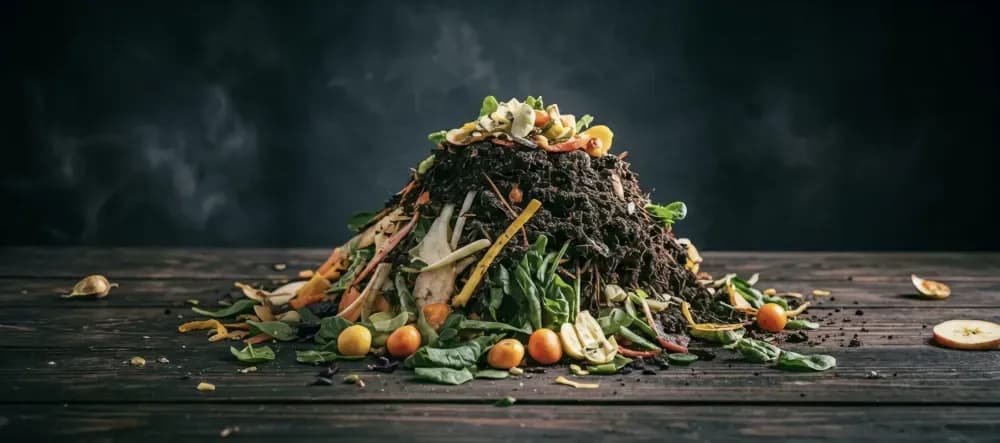
While 35 million people worry about where their next meal comes from, we're busy throwing away $218 billion worth of food. Reduce food waste with these easy changes and take control of your kitchen and your finances.
The Shocking Truth About Our Kitchens
I've been at this zero-waste kitchen business long enough to know that food waste is as embarrassing and expensive as widespread. Here's what the numbers say about America: nearly 40% of all food ends up in the trash. That's 325 pounds per person every year. For a family of four, that's over 1,000 pounds of food gone bad or forgotten. Food waste is also clogging up our landfills, taking 22% of the space. While 35 million people here worry about where their next meal comes from, we're busy throwing away $218 billion worth of food. Taking action against food waste is about decency and responsibility towards the others but it is also about taking control of your kitchen and your finances.
1. Store Smarter, Waste Less

A surprising amount of waste happens because we store things wrong. I've learned this the hard way with soggy carrots and mysterious green growths at the back of my crisper drawer.
Keep greens alive longer
Wrap lettuce and herbs in a damp cloth or paper towel, then put them in a bag or container. If the outer leaves get dry or wrinkly, use them to wrap the inner ones and they'll stay fresh longer. No special gadgets needed, just a little moisture and air circulation.
Root vegetables don't like the cold
Onions, potatoes, and squash go bad faster in the fridge. Keep them in a cool, dark pantry or basement. I use mesh bags: put them straight in at the store, hang them at home. Some use old pantyhose for onions, but I rarely have those around. Mesh bags are cheap enough and tidier, in my opinion.
Most vegetables need breathing room
Don't seal them in airtight containers, as they create a steamy greenhouse effect. Let them breathe but keep moisture out so that the risk of breeding bacteria and mold is lower. Avoid stacking them one on top of the other because it bruises them and traps moisture, speeding up rot. Rinse only what you need, when you need it. The rest stay dry and happy.
Group by needs
If you want to master the storaging, you should also separate vegetables and fruits according to their ability to produce ethylene gas while ripening, as it can compromise the longevity of other greens. Apples, peaches, bananas and tomatoes are the “troublemakers” that will make all the neighboring veggies ripe faster. Lettuce, cucumbers, peppers and strawberries are among the most sensitive to ethylene. Keep them as far as possible one group from the other!
2. Understand Those Confusing Dates
Those "sell by," "use by," "best by" stamps drive everyone crazy. I have friends who toss food the minute it passed a date. I prefer to use my eyes and nose first.
"Best by" means peak quality
Food doesn't magically go bad after this date. As far as I know, there's no FDA or state authority pre-approval on this kind of date setting. It's the manufacturer's guess about when it tastes best, according to internal testing. Potatoes six months past "best by" still make fine mashings.
"Use by" is more about safety
For perishables like meat or dairy, state laws are vague and fragmented. I'd recommend using your senses. Smell it. Look at it. Feel it if needed. Long cooking or boiling usually makes most perishables safe, even past their prime. But I'd never advocate risking a stomachache: if you're not sure, err on the side of caution.
"Sell by" is for stores, not you
This tells the grocer when to pull it from shelves. Milk "past" sell-by date usually lasts another week if it was fresh when bought.
3. Freeze Like You Mean It
Proper freezing turns "waste tomorrow" into "dinner next week." It saved my kitchen sanity, but it only works if you do it right.
Freeze flat, thaw smart
Chop vegetables before freezing, spread on a tray until solid, then bag. No giant frozen clumps that take days to thaw. Soups and cooked grains freeze beautifully in portions. Remember to pay attention to the bag when you thaw so you can reuse it at least a couple of times.
Label everything
I write contents and date with a Sharpie right on freezer bags. "Chili, 2/15" beats guessing what's in that mystery brick three months later. If you want to reuse the bags, strikethrough the first writing or use labels.
Portion for reality
Freeze in amounts you actually cook. Single servings or family-sized, depending on the needs. No more thawing a giant batch just to eat half, but in case you do, make it a point to eat it all before it spoils.
Revive freezer-burned stuff
Trim off dry spots and use in soups or casseroles. A little freezer burn doesn't ruin good food.
4. Herbs Don't Have to Die on You
Fresh herbs cost good money and wilt faster than you can say "pesto." Here's what actually keeps them alive.
Treat them like bouquets
Put herb stems in a jar with an inch of water, like cut flowers. Loosely cover leaves with a plastic bag. Change water every couple days. Cilantro, parsley, and dill thrive this way.
Freeze chopped herbs in oil
Alternatively you can chop them, mix with a little olive oil, freeze in ice cube trays. Pop-out cubes go straight into sauces. This is my preferred alternative, especially if I know that I will not be needing the herbs for several days.
Make herb butter or salt
Root herbs or Stem herbs can also be used to give special aroma to butteer and salt. The process is easy: chop them and mix with softened butter or coarse salt. Freeze in logs or sprinkle into jars. Make sure though that you are going to use these in your daily cooking, otherwise you’ll end up wasting both the herb and the butter.
5. Banish the "Forgotten Back" Problem
Many fridges get too full. Something pushed to the back corner gets forgotten and goes to waste. I'm pretty diligent about this, but it took years to get here. Here are the methods that actually helped:
Open your fridge before you go shopping
I buy groceries biweekly with small emergency refills when needed. Before shopping, I open the fridge (and pantry too). If I can stretch a few more days or just grab milk, I postpone. A crowded fridge is a recipe for food waste. No need to hit the supermarket when food's already home.
First In, First Out (FIFO)
When unpacking groceries, move older items forward. New cheese goes behind old cheese. Same with yogurt, condiments, everything.
Group by categories
Keep similar foods together in fridge or pantry. Boxes help if you like: all cheese together, all dairy, all flour types. No more lost leftovers. You'll see quickly if you need to restock. It sparks creativity and substitutions too.
Weekly fridge sweep
Fridays, I do a quick inventory. Anything questionable goes in the hodgepodge box for immediate use—usually becomes delicious weekend creative cooking (or gets frozen). Takes five minutes, saves a week's worth of waste.
Don’t give up on leftovers
Put yesterday's containers front and center. Eat them first. Plain rice becomes Italian-style rice balls; sometimes simple reheating works fine. Make leftovers enjoyable—don't just eat cold from the fridge. It keeps you consistent and turns them into real meals.
6. Your Freezer is a Resource
Your freezer is a second pantry. Check it before shopping or planning meals, just like fridge and pantry. Before heading to the store, see what's hiding in there. You can even keep a running list on the door and cross off items as you use them.
Designate freezer "use soon" zone
I'd suggest limiting freezing to 1 month for best quality, but 2-3 months is my cutoff. Label everything with the freeze date. As food "ages," move it to a designated freezer spot. It gets priority over new stuff.
Freeze before it’s too late
Sometimes life throws too many leftovers your way: guests stayed longer than expected,or you cooked special meals for a few days straight. You look at the fridge and realize there's no way you'll finish everything before it goes bad. Don’t doubt, take the food that freezes better and freeze right away. Don't hesitate. Grab what freezes well (soups, cooked grains, chopped vegetables, sauces, even some baked goods) and get it in the freezer right away. Portion it into lunch-sized or dinner-sized amounts, whatever matches how you actually eat. Label with contents and date. You'll enjoy much better taste later: and you will not feel guilty about waste.
7. Don’t be spoiled
Food waste happens because we don't use food before it goes bad. It is not just matter of distraction and planning though, sometimes we're just too picky about "perfect" produce or craving something else.
A few wrinkles are not a problem
If you or your kids raise an eyebrow at a wrinkly apple, wait till you hit 50. Stop being precious about browning bananas or slightly soggy cookies. Overripe fruits and veggies often taste better, sweeter, juicier, more flavorful. Make banana bread, cheesecake base, or just eat them for heaven's sake!
Trim, don't toss
Most produce deserves a second chance, but you need to know where to cut and where to stop.
- Lettuce: Peel off slimy outer leaves. The heart usually stays crisp for days.
- Celery: Trim discolored ends and limp middle ribs. The stalks still crunch fine. Freezing some right after you buy it solves the problem altogether. You can use it for soups or cooking bases.
- Carrots: Rub off fuzzy spots or cut rubbery ends. The good parts sweeten when roasted.
- Apples/Pears: Quarter and core, cut away only brown spots.
- Potatoes: Dig out green spots and sprouts and the rest is good to use.
- Cabbage: Peel off wilted outer leaves. Inside stays crunchy for slaws and soups.
My rule is: If more good food remains than bad, I trim and use it. A paring knife and 30 seconds saves dollars and guilt!
Follow seasons
Zucchini belong to sunny months, broccoli to cold ones. Supermarkets have everything year-round, but out-of-season stuff tastes like cardboard and tempts you to jump from one thing to another. Stick to what's local and seasonal. Get obsessed with it. Eat it till you're tired of it. Then wait till next year. You'll enjoy better food, teach your kids to appreciate nature's rhythm, and crave that real flavor again.
Remember those 325 pounds of waste per person? That's money, meals, and methane nobody needs. Pick one or two ideas from here and try them for two weeks. You can adjust what doesn't fit your lifestyle. Small, steady changes beat grand failures every time.
About the Author
Nelly Rockett
Author
Nelly Rockett, a retired salesperson fond of her family and community, champions green living for the sake of future generations. She’s committed to sustainability but dismisses what she sees as “fancy nonsense.”