Kitchen •February 25, 2026•5 min read
How to Store and Wrap Food Correctly
Nelly Rockett
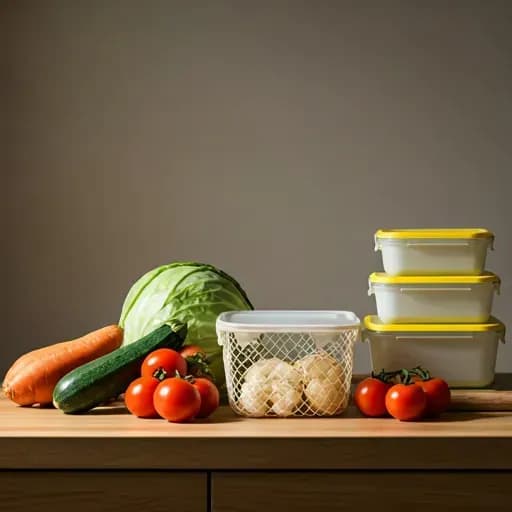
This guide to food storage and wrapping offers practical tips to help produce last longer while keeping your kitchen efficient and your family healthier.
Wasteful kitchen: It’s a Wrap!
A kitchen shows how you live. If yours overflows with wilted greens and sprouted potatoes, it's because you buy more than you can use. Learning which vegetables need what conditions to stay fresh takes you a long way toward a zero-waste kitchen. Proper storage turns grocery money into meals, not trash. Produce stays alive after picking. It breathes, releases gas, and reacts to temperature, light, and moisture. Understanding these basic needs doubles shelf life while cutting energy use and preserving nutrients. Right storage keeps vitamin C levels high in broccoli and fiber intact in carrots. Wrong storage wastes all three: money, power, and health. This guide shares what took me years of soggy mistakes to learn. No complicated science or expensive gadgets required. Just practical ways to make produce last while keeping your kitchen efficient and your family healthier.
Fridge Storage Done Smart
Most people cram the fridge full and wonder why everything spoils. The key lies in maintaining 35 to 40 degrees Fahrenheit with controlled humidity, which preserves crispness without overworking your appliance. Set your fridge to this range and it runs more efficiently while keeping greens vibrant and watery vegetables firm.
In the crisper drawers, fill only halfway to allow air circulation, since overcrowding traps moisture and speeds decay. Use the high humidity setting for leafy greens like lettuce and kale, while fruits like berries and citrus prefer the low humidity side.
For leafy greens, wrap them loosely in a damp cloth before placing in a ventilated bag or bin, refreshing the cloth every few days to maintain just enough moisture without sogginess. Sometimes I use the outer layer of leaves to protect the inner ones: if they get wrinkly (but not mushy), I just detach them and wrap them around the remaining head.
Berries store best unwashed on a paper towel lined tray with loose plastic cover, since excess water invites mold.
Carrots and celery thrive standing in a water filled glass like cut flowers, with water changes every two days keeping them snap crisp and naturally sweet.
Clean and dry all produce before storing to prevent excess humidity that forces your fridge to work harder. Cut them only when you need to use them, and never before. This approach saves energy, extends freshness, and ensures more vitamins reach your plate.
How to Store Food in Your Pantry and Counter
Not everything belongs in the fridge. Cold temperatures turn potatoes sugary and grainy while killing flavor enzyms entirely. Certain produce thrives at room temperature around 50 to 60 degrees Fahrenheit in dark, airy spots, preserving taste and texture without chilling costs.
Root vegetables like onions, potatoes, and squash need mesh bags or open baskets in a cool pantry to allow air flow while preventing sprouting.
Never store onions and potatoes together since each triggers the other to sprout early, but keep them separate and both last for months.
Tomatoes ripen best stem down on the counter, never in the fridge. Slip them into a paper bag only if they soften too fast. They are a mix of sugars and acids plus hundreds of flavor compounds. Cold slows those flavor-making enzymes and traps the acids, killing the smell permanently. Once chilled, that fresh tomato scent never comes back, so if pull them out just an hour before eating the damage stays done.
Garlic and whole onions stay happy in a bowl or braided for hanging, as long as the space remains dry and ventilated.
Breadfruit and avocados ripen on the counter then move to fridge for just a few extra days once ready.
Bananas hang on a hook away from other fruit to contain their heavy ethylene output, with stem ends wrapped to slow ripening further. The same goes for apples and many other fruits. Want to know more? Read my dedicated guide to high-ethylene produce and how to store them right.
Grains and flours need the driest pantry spot, sealed tight to block bugs. Air-tight boxes work best to keep them safe. Sugar and dried fruit are high-risk too. Salt resists bugs better but still grabs humidity and turns uncomfortable to use. Good hygiene in wraps and containers is non-negotiable.
Want to keep pantry moths away? Use bay leaves or lavender, true natural repellents. Or set pheromone traps that lure and catch adult moths. These pantry keepers reduce fridge crowding for better energy efficiency and deliver safe, peak nutrition without refrigeration. Your electric bill drops while flavor stays true to nature's intent.
Freezer Storage That Works
When produce heads past prime or leftovers pile up, the freezer turns waste into future meals. To store food correctly in the freezer, maintain a steady 0 degrees Fahrenheit and always prep properly to lock in quality, vitamins, and usability for months. Start by washing, drying, and chopping everything to meal sized portions, then spread on a tray to freeze solid before bagging. This prevents stubborn clumps that defrost unevenly. I admit I don't always follow my own preaching here: if portioning makes sense, I often skip chopping because bigger pieces seem to hold taste better in my experience. I'm no saint with the tray method either: sometimes sturdy boxes work fine. The important thing is always leaving half an inch of headspace in containers for expansion. Labeling bags clearly with contents and date using a permanent marker is non negotiable.
Blanch greens like broccoli and spinach for two minutes before freezing to halt enzymes that degrade color and nutrition, while peppers, onions, and carrots go in raw after chopping. Fruits slice easily without blanching, and mixing with a touch of lemon juice preserves their brightness. Herbs chop fine with water or oil in ice cube trays for convenient cooking portions later. Soups, grains, and sauces freeze best after cooling completely in portioned amounts suited to your typical meals. I’m strict on freshness and I try to limit freezing storage to a couple of months maximum but 3 is totally fine and 8 is the maximum.
It might sound counterintuitive at first, but a full freezer actually runs more efficiently than an empty one. Frozen foods act like thermal masses or "cold batteries," keeping the inside temperature stable and blocking warm air when you open the door. Air warms up much faster than solid food, forcing the motor to work harder to cool down again. Freezing diligently and promptly saves energy, cuts food waste, and preserves nutrients far better than letting fridge items rot.
Smart Wrapping Without Waste
Wrapping food correctly extends life while avoiding plastic piles in landfills. Eco friendly wraps come in forms that breathe, stretch, and reuse, each suited to different jobs around the kitchen.
Beeswax wraps mold over bowls or halved avocados with gentle warmth from your hands, sealing tight yet breathable for cheeses and doughs while washing clean with mild soap for dozens of uses.
Reusable sandwich wraps made from cloth or coated cotton encase sandwiches and snacks snugly, keeping moisture balanced without suffocating.
Silicone food covers stretch over bowls and plates of any size, creating airtight seals for leftovers that microwave safely. Silicone wraps stir debate in green circles because while reusable, their production and disposal often carry heavy environmental costs. If you choose silicone covers, research the material quality and company certifications first. Look for take back programs for disposal or strict production standards. Better manufacturing means much lower impact on the environment.
Elastic bowl covers made from food-safe, BPA-free materials grip securely on rising dough or marinating meat, peeling off easily for washing. They're usually silicone or beeswax-coated cotton. I've never tried, but I believe that if you're into making beeswax wraps at home, you can easily DIY these covers too.
Biodegradable plastic wraps and environmentally friendly saran wrap alternatives break down naturally when done, offering convenience for short term jobs like covering cut melon.
Reusable food wraps and covers outperform single use options by reducing waste and energy, since they wash quickly without hot water cycles. Learn to wrap snug but not tight, allowing just enough air exchange to prevent moisture buildup while keeping contaminants out. This method keeps food fresh longer, cuts trash volume, and saves replacement costs over time.
Tools That Earn Their Keep
Simple tools last decades and pay for themselves through less waste.
Mesh produce bags wash and reuse endlessly, hanging perfectly for root vegetables while letting skin breathe at the store and home. Beeswax wraps shape to any container, replacing plastic film for cut produce and fermented goods with natural antibacterial properties. Glass storage containers with tight lids stack neatly without staining or odors, outperforming plastic over years of use. Damp cloth squares from old kitchen towels wrap greens cheaply and effectively, needing only a rinse between jobs. Stainless steel colanders drain produce fast without rust or microplastic shedding. A sharp paring knife trims bad spots precisely, turning questionable produce into usable portions in seconds. These basics require no batteries or replacement parts, minimizing environmental impact while maximizing kitchen efficiency. Invest once, benefit forever.
Why Storing Food Correctly Actually Matters
Right storage cuts produce waste by 70 percent in my kitchen, turning grocery dollars into nutrition instead of landfill filler. Ethylene management doubles shelf life while proper humidity preserves vitamin C and antioxidants for better health. Energy savings add up too, with efficient fridge temps, full freezers, and pantry reliance lowering bills noticeably each month. Cleaner wrapping means less bacteria growth and safer meals for the family.
Your Crawl-Walk-Run to Store and Wrap Food Correctly
Crawl:
Start by sorting your vegetables and fruits into their proper places: some go in the pantry, others need the fridge Make sure there are absolutely no open boxes sitting around in the pantry Freezer basics: freeze early, use the right portion sizes, label all and eat promptly.
Walk:
Ditch plastic wrap for airtight glass jars or reusable covers. Don't stress about buying everything at once: you can easily use plates as temporary lids while you're gradually building up your wrapping equipment. Keep ethylene producers (bananas, apples) away from sensitive veggies.
Run:
Build a complete zero-waste wrapping system: homemade beeswax wraps, reusable containers across the board, and plastic usage brought down to practically zero. Full-freezer thermal mass, blanching every vegetable before freezing and perfectioning the previous steps.
Your kitchen builds habits at your speed. Less trash, tastier food, real savings. Beats gadgets every time.
About the Author
Nelly Rockett
Author
Nelly Rockett, a retired salesperson fond of her family and community, champions green living for the sake of future generations. She’s committed to sustainability but dismisses what she sees as “fancy nonsense.”